

The world of digital technology is evolving rapidly, and Web3 and cryptocurrency are at the forefront of this transformation. As traditional internet models give way to decentralized ecosystems, Web3 promises a more secure, transparent, and user-controlled online experience. Coupled with the rise of cryptocurrency, blockchain technology is reshaping finance, governance, and digital interactions globally. This article explores the future of Web3 and cryptocurrency, highlighting trends, opportunities, and challenges for users and investors alike.
Understanding Web3 and Its Significance
Web3 represents the next generation of the internet, emphasizing decentralization, user control, and trustless interactions. Unlike Web2, where centralized platforms control data, Web3 leverages blockchain technology to allow users to own their data, interact through smart contracts, and participate in decentralized applications (dApps).
Key features of Web3 include:
- Decentralization – Data and applications are hosted on peer-to-peer networks rather than centralized servers.
- User Empowerment – Individuals control their identity, assets, and digital interactions.
- Interoperability – Web3 supports seamless interactions between different platforms and blockchains.
- Smart Contracts – Automated agreements executed without intermediaries, enhancing efficiency and trust.
As Web3 gains adoption, industries from finance to gaming and social media are expected to integrate decentralized solutions, creating a more user-centric digital ecosystem.
The Role of Cryptocurrency in Web3
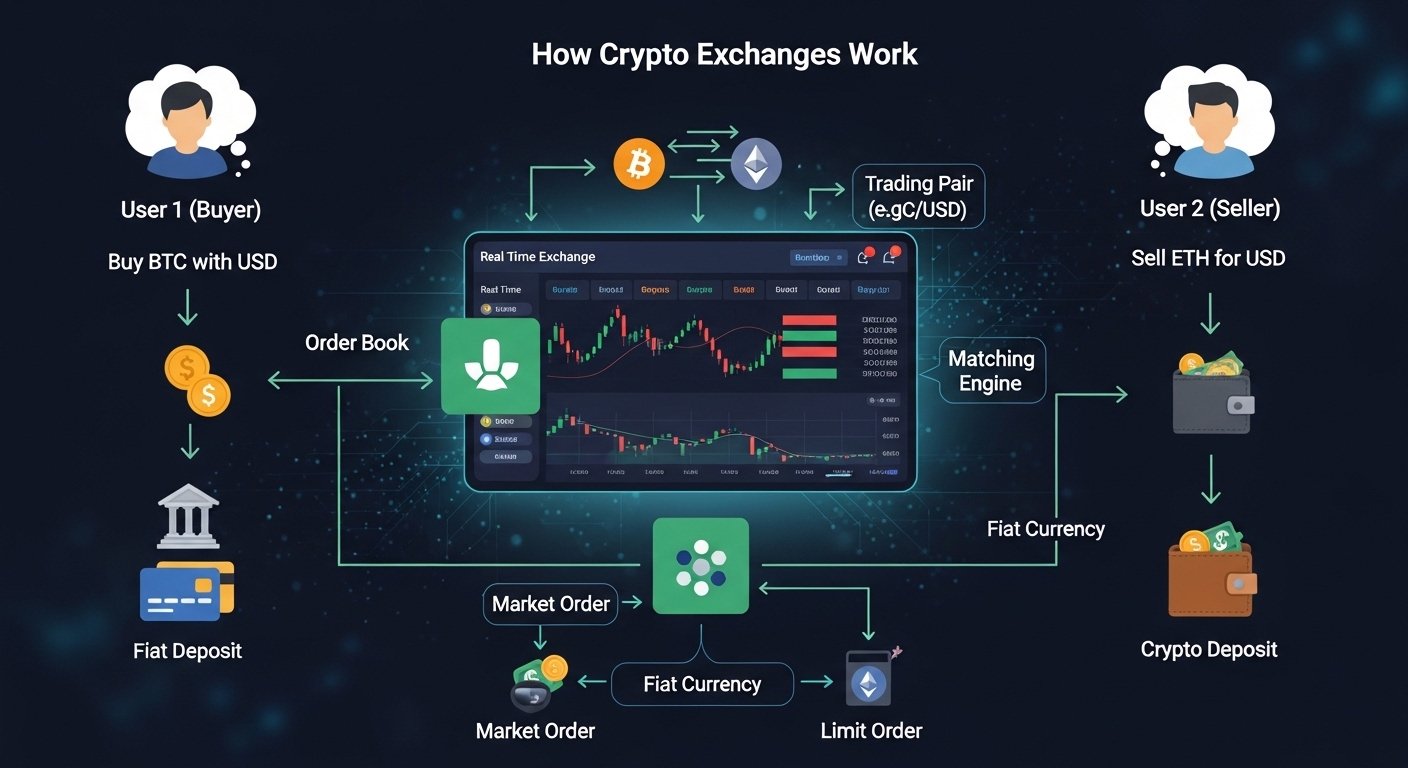
Cryptocurrency is a fundamental component of the Web3 ecosystem. Digital currencies like Bitcoin, Ethereum, and emerging tokens serve as mediums of exchange, incentives, and governance tools within decentralized networks.
Ethereum, in particular, enables smart contracts and dApps, making it a backbone for Web3 development. Native tokens often power decentralized finance (DeFi) platforms, non-fungible token (NFT) marketplaces, and DAO (Decentralized Autonomous Organization) governance. As Web3 grows, cryptocurrency adoption is likely to expand, offering new avenues for investment, digital ownership, and online transactions.
Emerging Trends in Web3 and Cryptocurrency
1. Decentralized Finance (DeFi)
DeFi platforms are revolutionizing traditional finance by offering lending, borrowing, staking, and yield farming without intermediaries. Web3 enables users to access these financial services securely, transparently, and globally.
2. NFTs and Digital Ownership
Non-fungible tokens (NFTs) provide verifiable ownership of digital assets such as art, music, and virtual real estate. Web3’s decentralized architecture ensures that NFTs are secure, tradable, and interoperable across platforms, opening new opportunities for creators and investors.
3. DAOs and Community Governance
Decentralized Autonomous Organizations empower communities to make decisions collectively. Members use tokens to vote on proposals, allocate funds, and govern projects, making digital ecosystems more democratic and transparent.
4. Layer-2 Solutions and Scalability
To address blockchain scalability challenges, Layer-2 solutions like rollups and sidechains are emerging. These technologies improve transaction speed, reduce fees, and enhance user experience, making Web3 applications more practical for mass adoption.
5. Interoperability and Cross-Chain Development
Web3’s future depends on seamless communication between blockchains. Interoperability protocols allow assets, data, and smart contracts to move freely across networks, creating a more connected and efficient ecosystem.
Challenges Facing Web3 and Cryptocurrency
Despite its potential, Web3 and cryptocurrency face several challenges:
- Regulatory Uncertainty – Governments worldwide are developing frameworks for crypto, which may impact adoption.
- Security Risks – Smart contract vulnerabilities and cyberattacks remain significant concerns.
- User Education – Mass adoption requires educating users about wallets, private keys, and blockchain technology.
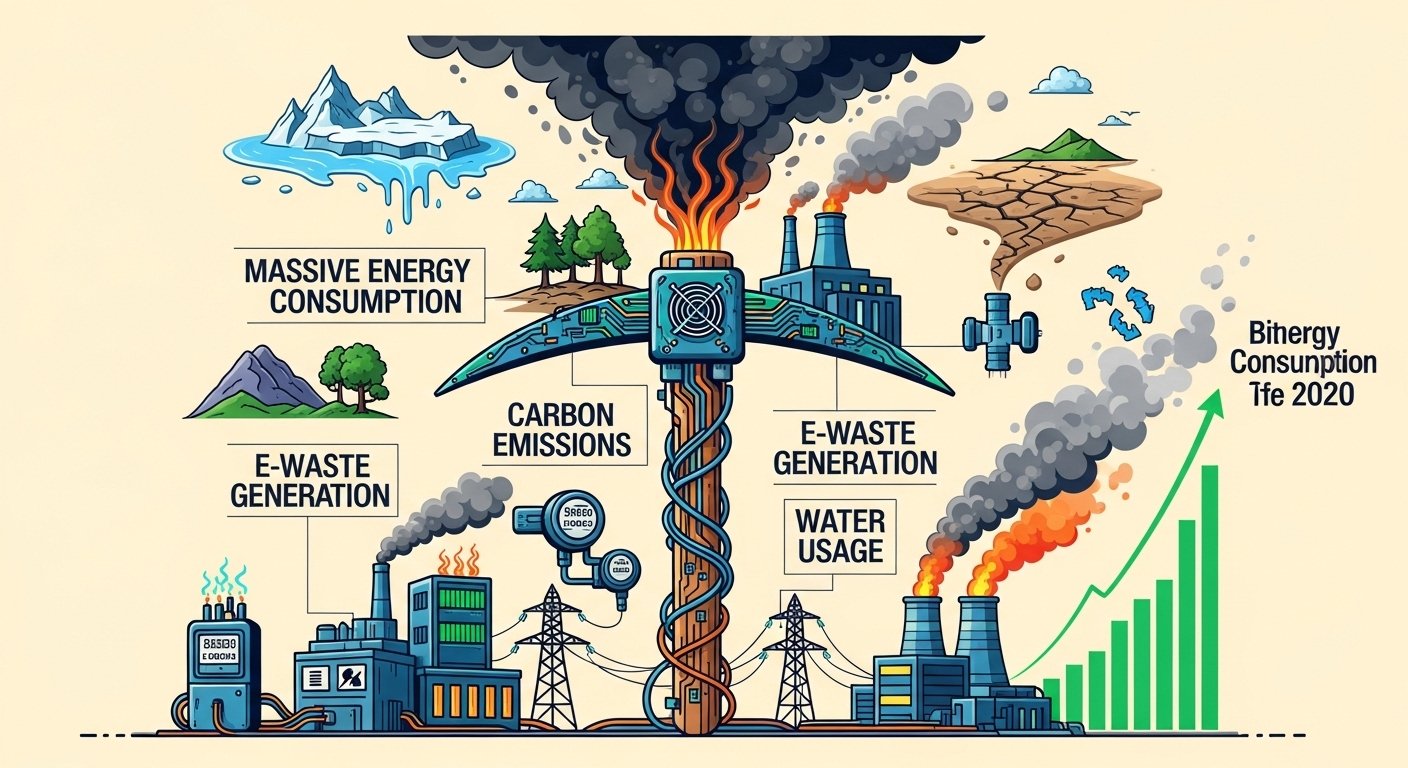
- Environmental Impact – Some blockchain networks consume high energy, prompting the development of greener consensus mechanisms like Proof-of-Stake (PoS).
Addressing these challenges will be critical for the sustainable growth of Web3 and cryptocurrency.
The Future Outlook
The future of Web3 and cryptocurrency is promising, with transformative potential across industries:
- Finance – DeFi and tokenized assets will redefine banking and investment.
- Digital Identity – Users will control personal data and credentials securely.
- Gaming and Metaverse – Blockchain-based games and virtual worlds will create immersive experiences with real ownership.
- Enterprise Solutions – Businesses will adopt blockchain for supply chain, governance, and decentralized marketplaces.
As technology matures, Web3 and cryptocurrency will increasingly integrate into everyday life, providing decentralized, secure, and transparent alternatives to traditional systems.
SEO Keywords Integration
Web3 future, cryptocurrency trends, decentralized finance, NFTs, blockchain technology, Ethereum smart contracts, DAOs, crypto adoption, layer-2 blockchain, digital assets investment
Conclusion
Web3 and cryptocurrency are not just technological innovations—they represent a shift towards a more decentralized, secure, and user-driven digital world. While challenges exist, the integration of blockchain, smart contracts, and decentralized ecosystems will redefine finance, governance, and digital interaction.
For investors, creators, and tech enthusiasts, staying informed about Web3 and cryptocurrency is crucial, as these technologies are set to shape the next era of the internet. The future promises a connected, transparent, and inclusive digital landscape powered by blockchain and decentralized innovation.




Leave a Reply